

Yoga Practice (Warm-Up):
Wrist Rolls
Wrist Rolls
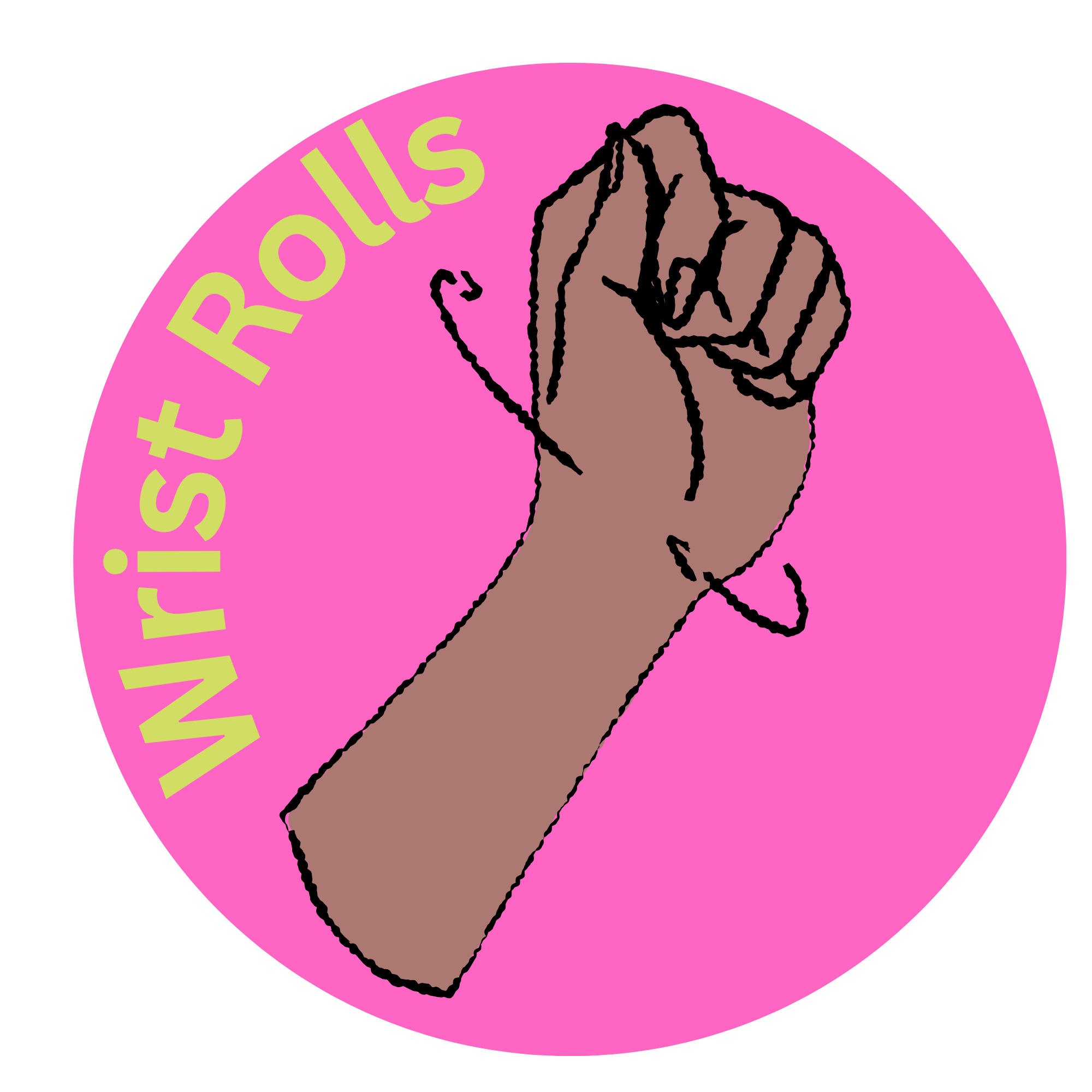
Wrist Rolls are a yoga warm up that help mobilize the wrist joints, and engages and releases forearm musculature.

Increases wrist mobility and joint flexibility
Releases tension in the hands, wrists, and forearms
Supports coordination and body awareness
Prepares hands for writing, drawing, or other activities
Encourages slow, mindful movement
Instructions:
1. From a seated or standing position, clasp your hands together with your fingers interlaced. Begin tracing slow figure-eight movements with the hands, rolling through the joints of the wrist.
2. Repeat several times, then reverse directions.
Get ready.
Sit or stand and clasp your revealed hands together.
.Make slow shapes.
Gently move your hands in a slow figure-eight.
Go the other way.
Switch directions and keep the movement smooth.
Pause and notice.
Stop, relax your hands, and notice how your wrists feel.
Teaching Cues for Students
Implementation & Development
See our Child Development Page for more information to help tailor your instruction to best meet the needs of your students.
All children learn best given clear, concise, instructions, trying to reduce directional cues down to 4 steps.
Enjoys learning through games, songs, and stories. Cues for Balloon Breath can be incorporated into a song or a rhyme to make it more playful.
Focus: play, fine-motor awareness, simple control
Offer seated or standing; both hands together is easiest.
Use playful cues:
“Draw an infinity sign”
“Make lazy eights in the air”
Keep movements slow and small.
Count 3–4 figure-eights, then switch directions.
Remind children to keep shoulders relaxed.
Pause with hands resting on knees or lap.
Still enjoy routine, learning through games, group activity. Appreciates praise and being noticed. Slightly longer attention spans, may be able to take in more instructions and longer practices.
Focus: coordination, joint awareness, attention
Encourage smooth, controlled figure-eight patterns.
Invite noticing how the wrists feel as direction changes.
Emphasize comfort over stretch—no forcing.
Use breath optionally (exhale as the hands flow).
Reverse directions intentionally.
Pause to notice warmth or ease in the hands.
As adolescence begins and continues, students will start to feel preoccupied with body image. It is important to cultivate a safe space for students to practice where they don’t feel singled out and they have the option to close their eyes or to soften their gaze.
Focus: tension release, autonomy, screen-related relief
Frame as a reset for hands, wrists, and forearms.
Encourage subtle, continuous movement.
Normalize modifying hand position or separating hands if needed.
Invite awareness of tension patterns (clenching vs. softening).
Reverse directions slowly.
End with hands relaxed at sides or resting.


Helpful Hints
To experiment with body awareness and sensation, interlace your fingers as you normally would, but then move every finger up one position so that the other thumb ends up on top. Then explore Wrist Rolls with this non-habitual grip.
Never overdo or force any yoga movement. If you begin to experience discomfort or pain, release the posture. Find a variation of the posture that serves your body and practice best.
Practice with self-compassion and non-judgement.
Wrist Rolls can be done standing, sitting in a chair.
Universal Best Practices
Movements are slow, circular, and pain-free.
Keep shoulders and elbows relaxed.
Offer choice to sit, stand, or skip.
Avoid locking joints or moving fast.
Finish with a brief pause to feel stillness.
Content from NYCDOE YMTP² curricular materials