

Mindfulness Practice:
Mindfulness of Breath
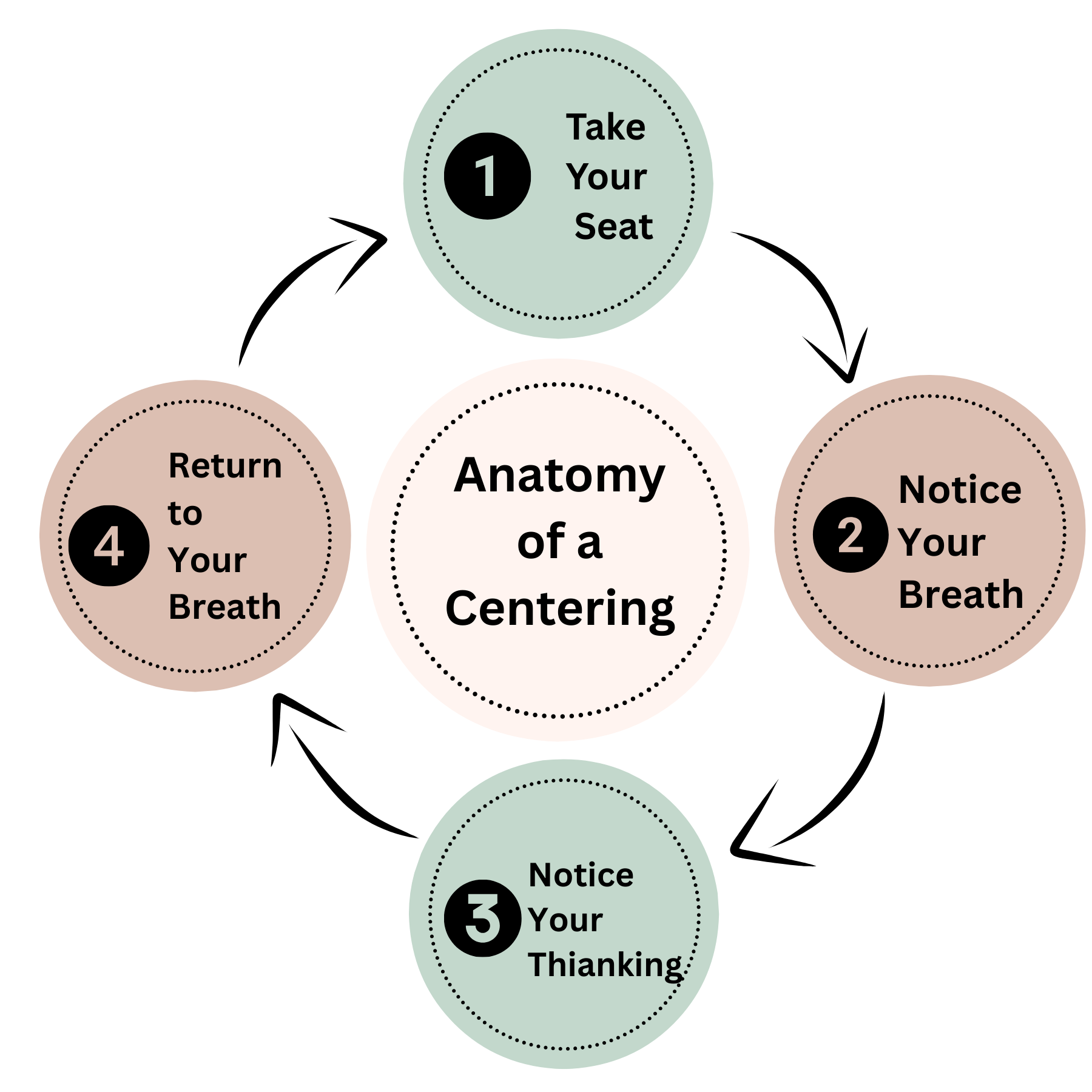
Mindfulness of Breath
Mindfulness of Breathing is a common starting point for meditation practice. Breath is accessible - it goes with us wherever we go. Bringing mindful awareness to the breath allows us to observe the patterns and sensations of breath without interfering or striving to change anything about them.
Mindfulness of Breathing provides an anchor for attention in the present moment, as breath is always happening now. Often, in other meditations, we can use the breath as a preparation for further concentration, or as “home base” to come back to when the mind wanders or starts telling stories. If breath is comfortable and easy, this form of meditation has the potential to stimulate the relaxation response, helping to calm the body and the mind. Additionally, focusing on this feeling of breath within the body can strengthen interoception - awareness of internal bodily sensations - which is an important component of resilience and self-regulation.

May reduce stress and supports emotional regulation
Improves focus, attention, and self-control
Builds self-awareness and mindfulness
Supports mental and emotional well-being
Enhances coping skills and resilience
Instructions:
1. Lying on the floor or sitting in a chair, find a comfortable posture that feels relaxed and alert, noticing how you adjust to find this feeling. Rest your hands on your knees or on your lap. Close your eyes or soften your gaze. Take a few deep breathes, letting go of tension throughout the body.
2. As much as you can, allow your breath to breathe on its own, through the nose or mouth as is comfortable for you. Let your breath adjust itself naturally and effortlessly throughout.
3. When you are ready, bring your attention to the sensation of breath within your body. You might focus on a single sensation such as air in the nostrils or the movement of your belly, or you might just focus on the ebb and flow, and feelings within the breath.
4. If your mind wanders towards thoughts or other sensations, simply notice the wandering. Observe the thought or sensation arising, and any feelings that come with it. When you can, gently welcome attention back to the breath, allowing other things to recede.
5. If the mind begins to create a story or image about the breath, acknowledge it without judging it or pushing it away. When you can, simply and gently bring awareness back to the feeling of breathing beneath the stories or images of the mind.
6. To finish, take a deep inhale and let it go with a effortless exhale. Allow your attention to travel freely through your body and into the space around you, noticing how you feel after.
Get comfortable:
Sit or lie down in a way that feels calm but awake. Rest your hands, close your eyes or look softly, and take a few slow breaths.Breathe naturally.
Let your breath come in and out on its own—through your nose or mouth—just the way it wants to.Notice your breath
Pay attention to how breathing feels, like your belly moving or air going in and out.Bring it back.
If your mind wanders, that’s okay! Gently bring your attention back to your breath.
Teaching Cues for Students
Implementation & Development
See our Child Development Page for more information to help tailor your instruction to best meet the needs of your students.
All children learn best given clear, concise, instructions, trying to reduce directional cues down to 4 steps.
Enjoys learning through games, songs, and stories. Cues for Balloon Breath can be incorporated into a song or a rhyme to make it more playful.
Keep it short and playful (30–60 seconds).
Use simple images like “smell the flower, blow the bubble.”
Let kids move or hold a small object while breathing.
Avoid “perfect stillness”—wiggles are okay.
Focus on one place (belly or nose), not multiple steps.
Still enjoy routine, learning through games, group activity.
Keep practices brief and structured (1–3 minutes).
Explain why breathing helps the brain and body.
Offer choice (eyes open or closed, nose or belly).
Normalize mind-wandering and gently guide attention back.
Use breathing as a reset before or after activities.
As adolescence begins and continues, students will start to feel preoccupied with body image. It is important to cultivate a safe space for students to practice the Balloon Breath where they don’t feel singled out and they have the option to close their eyes or to soften their gaze.
Use clear, non-baby language and respect autonomy.
Emphasize choice, privacy, and control.
Keep guidance minimal and neutral.
Normalize skepticism and wandering thoughts.
Connect breathing to stress regulation, focus, or performance.


Video
Helpful Hints
Never overdo any breathing exercise or force your breath into a pattern that is uncomfortable. If you begin to feel anxious or lightheaded, stop practicing and breathe normally.
Practice with self-compassion and non-judgement.
Mindfulness of Breath can be done from a seated, standing, or reclining position.
Content from NYCDOE YMTP² curricular materials